
Theo Peters · 10 October 2026
Mastering Template Customization for Consistent Branding Across Team Documentation
Organizations rely on standardized templates to maintain visual and structural consistency across all internal and external materials, and researchers at the Society for Technical Communication have documented how these systems reduce errors while speeding up production cycles. Data from multiple industry reports shows that teams using customized templates achieve higher brand recognition scores because every document follows the same color palettes, fonts, and layout rules from the first page to the last.
Core Elements of Template Design
Effective templates begin with a clear definition of brand assets, including logos, typography hierarchies, and spacing guidelines that teams can apply without deviation. Studies conducted by the University of Melbourne's Centre for Digital Transformation indicate that when these elements are locked into reusable components, revision cycles drop by measurable percentages because writers spend less time adjusting margins or swapping colors. Observers note that the process starts with mapping out every document type the organization produces, from project briefs to quarterly reports, so each template addresses specific content needs while preserving overall identity.
Teams then build master files in the chosen platform, whether that is a cloud-based word processor or a dedicated documentation suite, and they test these files across devices to confirm compatibility. Figures from Australian government digital standards reports reveal that cross-platform testing prevents formatting shifts that can occur when files move between operating systems or browser versions. And because updates in October 2026 introduced enhanced collaboration features in several major platforms, synchronization of template changes now happens in real time for distributed groups.
Implementation Steps Across Teams
Rollout typically follows a phased approach where a small pilot group first applies the new templates to live projects, then collects feedback on usability before wider distribution. Experts have observed that this method uncovers issues such as missing placeholder fields or inflexible table structures early enough to fix them without disrupting entire departments. The next phase involves creating detailed instruction sheets that accompany each template so new users understand which sections they can edit and which remain fixed for brand compliance.
Training sessions often combine live demonstrations with recorded walkthroughs that team members can revisit, and data indicates these resources lower the learning curve substantially. What's interesting is how organizations that embed template selection directly into their project management workflows see faster adoption rates because the right file appears automatically when a new task begins. Researchers discovered that linking templates to metadata tags further streamlines this process, allowing searches by document purpose rather than file name alone.
Measuring Consistency and Adjusting Over Time
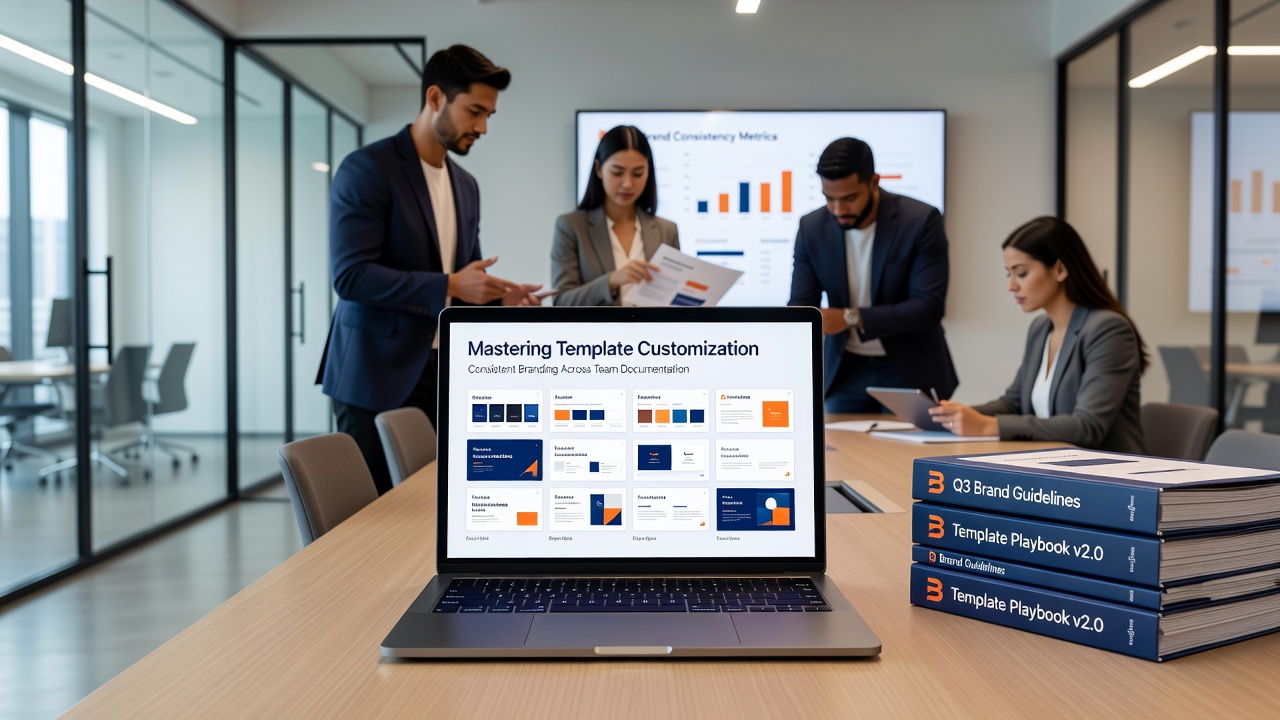
Regular audits form an essential part of the maintenance routine, with reviewers checking random samples of published documents against the original brand guidelines. According to reports from Canadian digital innovation agencies, organizations that schedule quarterly consistency checks maintain higher compliance levels than those relying on ad-hoc reviews. Teams use automated comparison tools to flag deviations in font sizes or logo placement, then route corrections back to the template owners for updates.
Feedback loops close the cycle when users submit suggestions for new template variants or refinements to existing ones, and these inputs feed directly into version control systems that track every change. One study revealed that companies maintaining detailed change logs experience fewer instances of outdated templates circulating through the organization because everyone works from the current approved version. The reality is that templates evolve alongside brand refreshes, so integration with marketing calendars ensures documentation stays aligned during rebranding initiatives.
Conclusion
Template customization succeeds when it combines locked brand elements with flexible content areas that accommodate different document types, and evidence from multiple sources confirms this balance improves both efficiency and recognition. Teams that invest in testing, training, and ongoing audits keep their materials aligned even as platforms and personnel change, while those who treat templates as living tools rather than static files adapt more readily to new requirements. The approach scales across departments because the same core structure supports both simple memos and complex technical manuals without requiring separate systems for each.